What Can You Lose Even If You Never Had It? Riddle Answer

This riddle asks: What can you lose even if you never had it? It sounds contradictory because we normally think you must possess something before you can lose it.

Answer: An opportunity, or a chance.

You can lose an opportunity without ever possessing it as a physical object. For example, a chance may appear and disappear before you act on it. People commonly say they “lost their chance” even though the chance was never something they literally owned.

The riddle relies on the different meanings of the word “lose.” Losing does not always mean misplacing a possession; it can also mean missing something that was available to you.
Related Posts

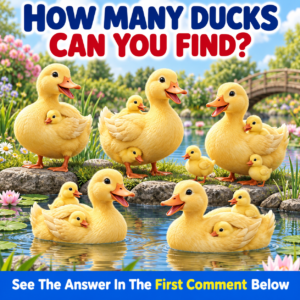
How Many Ducks Can You Find?

How Many Ducks Can You Find? Count Carefully Before You Answer

This cheerful duck picture contains more birds than you might notice at first glance. Some are large and obvious, while several smaller ducklings are tucked beside or…

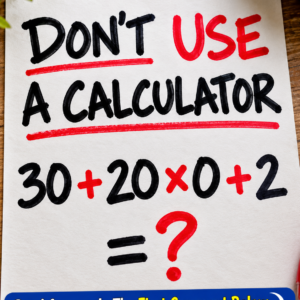
30 + 20 × 0 + 2 Math Puzzle

30 + 20 × 0 + 2: Can You Solve This Math Puzzle?

This short math puzzle is a classic test of whether you remember the correct order of operations. The expression is 30 + 20 × 0 + 2….

What Has a Mouth, Wears a Crown, but Never Speaks?

What Has a Mouth, Wears a Crown, but Never Speaks? Riddle Answer

This riddle sounds mysterious because the clues describe something that seems almost human: it has a mouth and wears a crown, yet it never says a word….

How Many Horses Do You See?

How Many Horses Do You See? This Counting Puzzle Is Trickier Than It Looks

This horse-counting puzzle looks simple at first, but it is easy to lose track when several animals overlap in the same scene. The best way to solve…

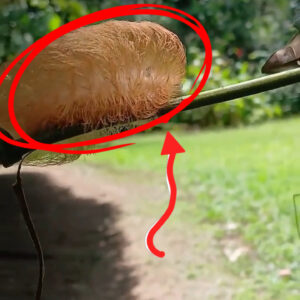
This Strange Fuzzy Plant Has Everyone Asking the Same Question: What Is It?

At first glance, this strange creature could easily be mistaken for a piece of fur, a fuzzy seed, or even something growing on a plant. But it…

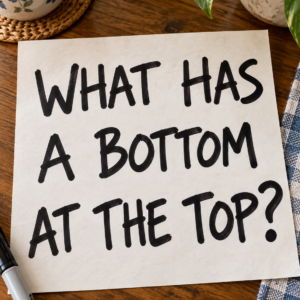
What Has a Bottom at the Top?

What Has a Bottom at the Top? Riddle Answer

“What has a bottom at the top?” sounds impossible if you picture an object sitting normally on a table. The trick is that “bottom” can refer to…

Leave a Reply

Your email address will not be published. Required fields are marked *