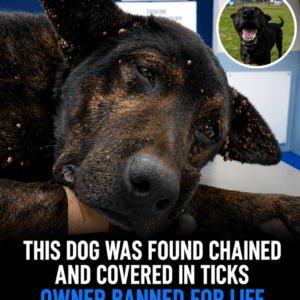
Animal neglect is an issue that sparks strong emotions. When people see stories of pets left without food, shelter, or care, many feel anger and frustration — not only for the animals, but also for the responsibility that was ignored. This often leads to the question: should those who neglect animals be publicly held accountable?
Supporters of public accountability argue that exposure can act as a deterrent. If people know their actions could become visible to the community, they may be less likely to mistreat animals. Public awareness can also encourage quicker reporting, helping authorities intervene sooner and prevent further harm.
However, others believe the situation is more complex. They point out that proper investigations, legal processes, and education programs are often more effective than public shaming. In some cases, neglect results from lack of knowledge, financial hardship, or personal struggles rather than deliberate cruelty. Public exposure without context can sometimes worsen situations instead of solving them.
Most animal welfare experts agree on one thing: animals deserve protection, and neglect should never be ignored. The real challenge lies in finding the best way to prevent it — through laws, enforcement, education, and responsible ownership.
So should public accountability play a role?
Many believe awareness is important, but the ultimate goal should always be protecting animals and preventing harm in the future.