
Do You Know What This Vintage Item Is? It’s a
This unusual vintage accessory appears to be a Victorian skirt lifter, also called a dress lifter, hem holder, or porte-jupe. Women used it to grip the fabric…
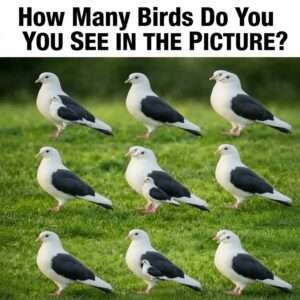
How Many Birds Do You See? The Correct Answer Is 15
This bird-counting puzzle contains 15 birds. Count each row carefully: Top row: 2 + 1 + 2 = 5 birds Middle row: 1 + 3 + 1…
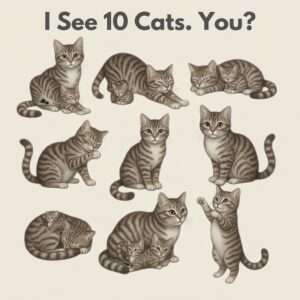
How Many Cats Do You See? The Correct Answer Is
This cat-counting puzzle contains more animals than the 10 mentioned in the headline. Count each group carefully: Top row: 2 + 2 + 2 = 6 cats…

8 × 0 + 8 ÷ 2 + 8 Answer Explained: Can You Solve This Math Puzzle?
The expression 8 × 0 + 8 ÷ 2 + 8 must be solved using the correct order of operations. Complete the multiplication and division first: 8…

How Many Fish Can You Count? The Correct Answer Is
This colorful underwater puzzle contains 22 fish. Start with the 11 large fish swimming throughout the scene. Then look more carefully around the coral, plants, rocks, and…

15 − 5 ÷ 5 + 1 Answer Explained: Can You Solve This Math Puzzle?
The expression 15 − 5 ÷ 5 + 1 must be solved using the correct order of operations. Complete the division first: 5 ÷ 5 = 1…

How Many Foxes Do You See? The Correct Answer Is
This fox-counting puzzle contains 17 foxes. Start with the nine large foxes arranged in three rows. Then look carefully for the smaller foxes hiding beside, beneath, or…
How Many Foxes Do You See? The Correct Answer Is
This fox-counting puzzle contains 17 foxes. Start with the nine large foxes arranged in three rows. Then look carefully for the smaller foxes hiding beside, beneath, or…

Can You Name This Vintage Household Item? It’s an Old-Fashioned
This vintage household item is an old-fashioned washboard, once used to clean clothes before washing machines became common. Wet clothing was covered with soap and rubbed repeatedly…

4 + 12 ÷ 4 × 2 Answer Explained: Can You Solve This Math Puzzle?
The expression 4 + 12 ÷ 4 × 2 must be solved using the correct order of operations. Division and multiplication have equal priority, so calculate them…