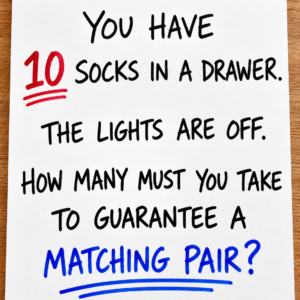
10 Socks in the Dark: How Many Guarantee a Matching Pair?

This logic puzzle says a girl has 10 socks: 5 black and 5 white. In the dark, how many socks must she take to guarantee a matching pair?

The answer is: 3 socks.

With only two colors available, the worst-case situation is that the first sock is black and the second sock is white. At that point, she still does not have a matching pair.

But the third sock must be either black or white. Whichever color it is, it will match one of the first two socks.

That means taking three socks guarantees at least one matching pair, no matter which socks are chosen first. This is a simple example of the pigeonhole principle: with only two possible colors, three selections force a duplicate color.
Related Posts

Sept 19 final batch image 1

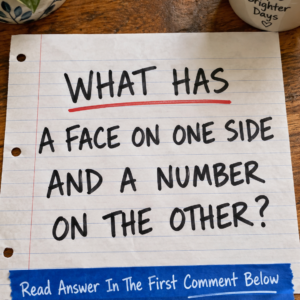
What Has a Face on One Side and a Number on the Other? Classic Riddle Answer

This classic riddle asks: What has a face on one side and a number on the other? The wording makes it sound as though the answer should…

Sept 19 final batch image 2

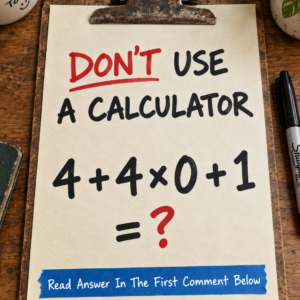
4 + 4 × 0 + 1: Can You Solve It Without a Calculator?

This quick math puzzle asks you to solve 4 + 4 × 0 + 1 without using a calculator. The correct answer is 5. The key is…

Sept 19 final batch image 3

What Can You Open Every Morning Without Using Your Hands?

This short riddle asks: What can you open every morning without using your hands? The answer is: your eyes. When you wake up in the morning, you…

Sept 19 late batch image 5

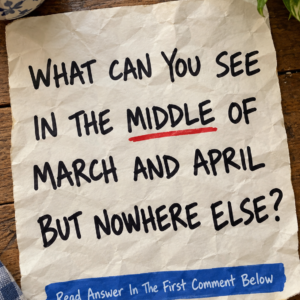
What Can You See in the Middle of March and April but Nowhere Else?

This word riddle asks: What can you see in the middle of March and April but nowhere else? The answer is: the letter R. Look at the…

Sept 19 late batch image 6

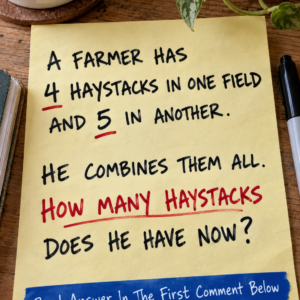
A Farmer Has 4 Haystacks in One Field and 5 in Another — How Many After Combining Them?

This classic riddle says: A farmer has 4 haystacks in one field and 5 haystacks in another. He combines them all. How many haystacks does he have…

Sept 19 late batch image 7

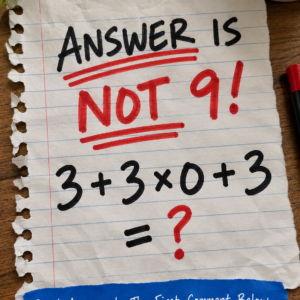
3 + 3 × 0 + 3: What Is the Correct Answer?

This quick math puzzle asks you to solve 3 + 3 × 0 + 3. The correct answer is 6. Multiplication must be done before addition, so…

Leave a Reply

Your email address will not be published. Required fields are marked *