Most People Get This Simple Math Question Wrong—Can You Solve It?

This math problem looks super easy, but it’s actually catching a lot of people off guard.

The expression is: 600 + 500 ÷ 2.

At first glance, many people quickly add 600 and 500 to get 1100, then divide—but that’s the mistake.

You always need to follow the order of operations. Division comes before addition.

So first, solve:

500 ÷ 2 = 250

Then add:

600 + 250 = 850

That’s the correct answer.

These kinds of puzzles are designed to trick people who rush. Your brain wants to go left to right, but math has rules—and skipping them leads to the wrong result.

It’s a simple test of attention, not intelligence.

Did you get 850 on your first try, or did this one catch you slipping?
Related Posts

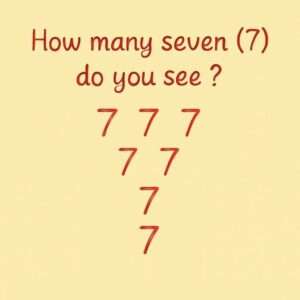
How Many Sevens Can You See?

This number-counting puzzle contains more sevens than most people notice at first glance. Start with the large red digits: Top row: 3 sevens Second row: 2 sevens…

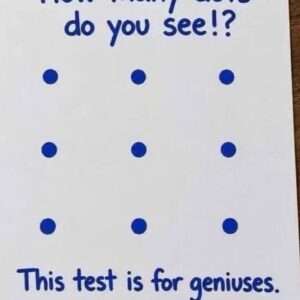
How Many Dots Do You See? The Correct Answer Is 15

This dot-counting puzzle contains more than the nine large blue dots shown in the center. Start with the obvious dots: 9 blue dots Now look closely at…

How Many Cockatoos Can You See? The Correct Answer Is 22

This bird-counting puzzle looks like it contains only nine cockatoos, but several smaller birds are hidden inside the larger drawings. Count each group carefully from left to…

How Many Dogs Can You See? The Correct Answer Is 20

This dog-counting puzzle is trickier than it first appears. The image suggests there may be only 10 dogs, but several smaller puppies are hidden between the larger…

How Many Numbers Can You See? Hidden Number Puzzle Answer Explained

This hidden-number puzzle combines several digits inside one overlapping drawing. At first glance, most people immediately notice the numbers 6, 8, 4, and 1. However, the curves,…

6 × 0 + 6 ÷ 6 + 6 Answer Explained: Can You Solve This Math Puzzle?

The expression 6 × 0 + 6 ÷ 6 + 6 must be solved using the correct order of operations. Complete multiplication and division first: 6 ×…