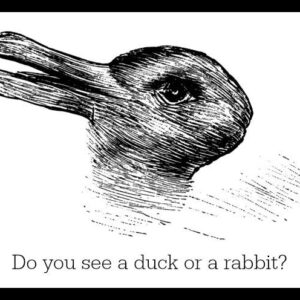
Every morning at nearly the exact same time, a lone duck would appear at the end of a quiet neighborhood street and make its way to one particular house.
It wasn’t looking for a pond.
It wasn’t following other ducks.
It simply waddled up the stone walkway, stopped near the front porch, and patiently waited.
At first, the homeowners assumed it had wandered off course. But after seeing the duck return day after day, week after week, they realized this wasn’t random—it was a routine.
The family never fed the duck unhealthy foods like bread. Instead, they occasionally placed a shallow dish of fresh water outside and simply enjoyed watching their feathered visitor.
The duck would stay for a few minutes, look around the yard, and then quietly continue on its way.
Wildlife experts say this behavior isn’t as unusual as it sounds. Ducks have excellent memories and can recognize safe locations. Once they discover a place with fresh water, little disturbance, and no predators, they’ll often return again and again.
Research has also shown that ducks can remember landmarks and even recognize people who have treated them gently. They often follow predictable daily routes between feeding, resting, and nesting areas.
Before long, neighbors started looking forward to the duck’s morning visit. Children would peek through the windows hoping to catch a glimpse, and everyone wondered what made that particular house so special.
Perhaps it wasn’t the porch itself that mattered.
Maybe it was simply the feeling of safety.
Sometimes, the smallest daily traditions come from the unlikeliest visitors—and remind us that kindness toward wildlife rarely goes unnoticed.