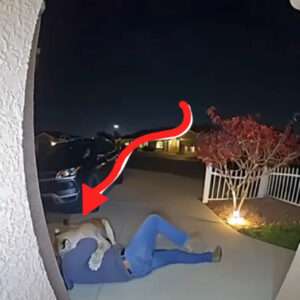
Imagine looking at a driveway camera and finding the unmistakable outline of a mountain lion near a parked vehicle. Cougars, pumas, and mountain lions are different names for the same remarkable big cat. Though they generally avoid people, their large territories and natural travel routes can bring them close to homes in some parts of North America. A sighting should be taken seriously without automatically assuming an attack is imminent.
Why a big cat might cross a driveway
Mountain lions travel through extensive ranges in search of prey, mates, and suitable habitat. Roads and housing developments sometimes intersect with these ranges. Landscaping that draws deer, a key prey animal, can indirectly draw predators. The cat may simply be passing through a corridor between patches of cover.
Dawn and dusk are important hours
Mountain lions often move and hunt during low-light periods. Residential cameras can capture their travels before sunrise, when streets are relatively quiet. An image of an animal near a house does not reveal how long it stayed or what drew it there.
Keep pets and other animals protected
Outdoor cats, small dogs, and unsecured livestock can be vulnerable. Wildlife agencies advise keeping pets under control, protecting livestock in suitable shelters, and avoiding leaving animals unattended outdoors in areas where mountain lions occur. Removing animal feed and other attractants can also reduce unwanted wildlife activity.
Make yards less attractive to predators
The California Department of Fish and Wildlife recommends limiting dense hiding cover, using outdoor lighting, and reducing opportunities for deer to forage close to homes. Measures should be suited to the property and local wildlife guidance rather than relying on one gadget or repellent.
What to do during an actual encounter
Do not run, turn your back, or approach the mountain lion. Face the animal, make yourself appear larger, speak firmly, and back away without crouching. Bring children close and keep pets controlled. For an animal that behaves aggressively or poses an immediate threat, follow wildlife agency instructions and contact emergency services when appropriate.
Verify unusual images before sharing
Night cameras may distort size, distance, and color. A household cat, bobcat, dog, or even a shadow can be misidentified. If a claim is circulated as local news, check whether an identifiable location, original video, or a wildlife authority supports it. An illustration is not confirmation of a real sighting.
What This Means
Most mountain lion sightings end without confrontation, but understanding how to respond helps protect people, pets, and the animal. Good prevention starts with reducing attractants and respecting wildlife habitat.
Sources and Further Reading
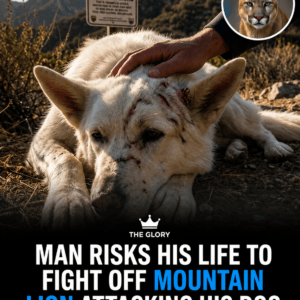
Illustration notice: The featured image is AI-generated artwork depicting a hypothetical situation. It is not authenticated security-camera footage or evidence of a specific incident.