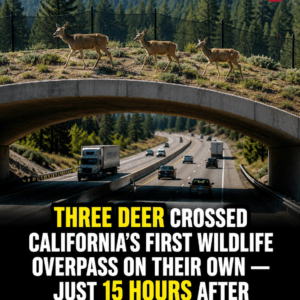
There is something surprising about finding a deer standing inches from a glass patio door. For households near woods, parks, and green corridors, deer visits are possible as animals move among feeding areas. A deer may pause because of a reflection, noise, food, or simple curiosity—but a photograph alone cannot tell us exactly why it stopped.
What attracts deer to residential areas
Many gardens contain flowers, shrubs, and young trees that deer eat. Lawns, wooded edges, and quiet connecting spaces also offer travel routes. A property can look like a comfortable extension of the surrounding habitat even when homeowners do not intentionally attract wildlife.
Why a deer may stare at a window
Glass reflects light and movement differently throughout the day. A deer might be reacting to a person inside, another movement nearby, or a reflection. It can be tempting to invent a touching story about an animal asking for help, but responsible reporting distinguishes visible behavior from unverified motivation.
Should you open the door?
No. Stay inside and avoid approaching, feeding, or cornering the animal. Keep dogs away from the door and resist the urge to step outside for a closer photograph. A frightened deer can move suddenly and may injure itself or someone nearby while attempting to escape.
How to protect a garden humanely
Appropriate fencing, plant selection, and local wildlife-safe landscaping practices can help reduce browsing. Avoid intentionally feeding deer, which may encourage repeated visits and increase conflicts. Where deer are common, local extension services can recommend plants and barriers suited to the area.
Special caution during fawning and breeding seasons
A doe with a young fawn or a buck during the breeding season may behave differently from an animal simply walking through a yard. Give all deer space, never interfere with fawns without official guidance, and contact wildlife professionals if an animal appears trapped or injured.
What cameras can and cannot tell us
An image can document the animal’s appearance, location and visible posture. It cannot confirm an emotional motive or an invented backstory. Recreated imagery may be a helpful illustration, but it should never be portrayed as authentic surveillance from an actual residence.
What This Means
Wild animals visiting neighborhoods are a reminder of how closely human spaces overlap with nature. You can enjoy the sight without turning the encounter into an unsafe interaction.
Sources and Further Reading
Illustration notice: The featured image is AI-generated artwork depicting a hypothetical situation. It is not authenticated security-camera footage or evidence of a specific incident.