This profit puzzle follows two separate buy-and-sell transactions. First, a man buys an item for $10 and sells it for $20. That gives him a $10 profit. Then he buys the same item back for $30 and later sells it for $40. That gives him another $10 profit. Add the two profits together and the total profit is $20. Another way to check is to combine all the cash flows: -$10 + $20 – $30 + $40 = $20. So the final answer is $20 profit. People sometimes get confused because the item is bought back at a higher price, but each transaction still produces a $10 gain. Looking at the full sequence makes the result clear.




Related Posts

What Has a Foot but No Legs? The Classic Riddle Answer
What has a foot but no legs? This short classic riddle plays with a familiar word. See the answer and why it works.

Which of These 12 Vintage Brooches Is Different? Find the Odd One Out
Twelve antique-style floral brooches look almost identical. One has a different orientation. Can you spot the odd one out?

How Many Baby Pandas Can You See? The Cute Counting Puzzle
Count the smiling baby pandas in this picture. The little ones are arranged in rows, but can you spot all of them without missing one?
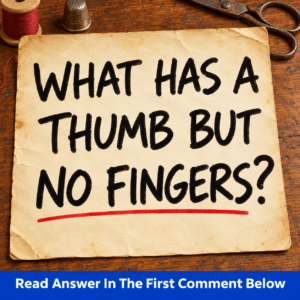
What Has a Thumb but No Fingers? A Classic Riddle Explained
What has a thumb but no fingers? This old-fashioned brain teaser has a cozy, familiar answer. See if you can solve it first.
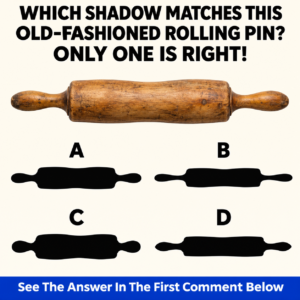
Which Shadow Matches the Old Wooden Rolling Pin? Picture Puzzle
A vintage wooden rolling pin and four similar silhouettes. Can you match the right shadow by comparing the handles and curves?

106 Today and Still Smiling: A Heartwarming Birthday Tribute
A 106th birthday is an extraordinary milestone. This heartfelt tribute celebrates older generations, their memories and the joy of another year.